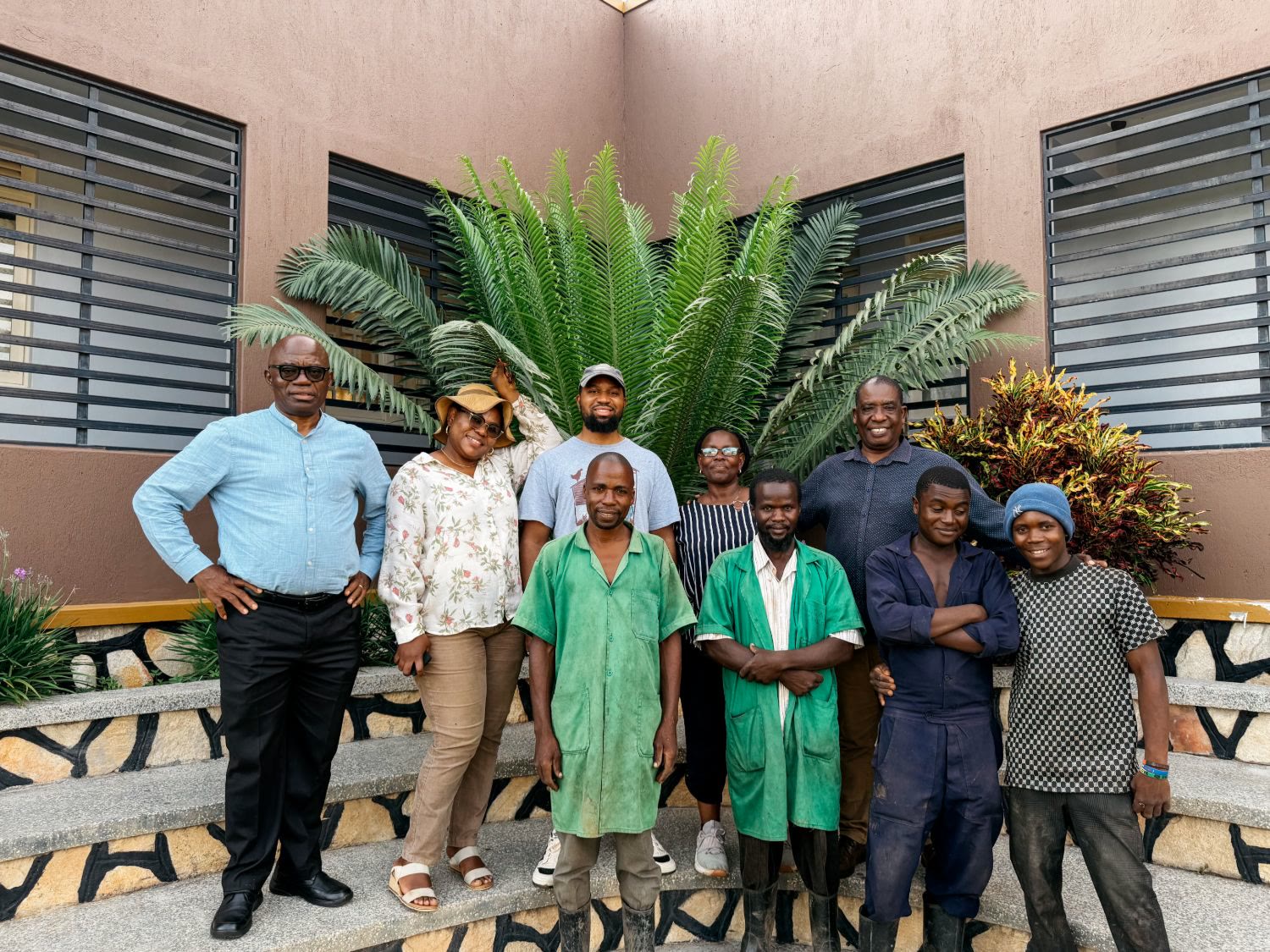
Tshani Foundation's founders standing with the farm team and refugee trainees outside a farm building

New in 2026

Farm skills on a working farm.

Our founders with the farm team and refugees from our programmes. Makulubita, October 2026.

In 2026 we started teaching farming to the refugees in our programmes. They learn on a seven-acre farm in Makulubita sub-county, Luweero, about 50 km north of Kampala. Tshani Foundation leases the farm. Four farm staff work with the animals every day and teach our trainees.


The farm today

Land
7

acres under crops, pasture and ponds, with a separate two-acre plot nearby.

Dairy
10

cows, five grown and five calves, bred by artificial insemination only.

Poultry
330

birds: 170 laying hens and 160 cockerels raised for meat.

Eggs
21

trays of eggs a week, three every day.

01

Dairy

Four cows in milk give about 130 litres a day, and the smallest of them gives the most, about 50 litres.

One gives about 30 litres and the other two about 25 each. The calves come from artificial insemination with semen chosen for dairy, so we will see how they milk as they grow. The milk is rich in fat and has to be pasteurised before it is sold, so staff and trainees learn pasteurisation alongside feeding, milking and hygiene. As the calves come into milk, the plan is to buy pasteurising machines and sell pasteurised milk.
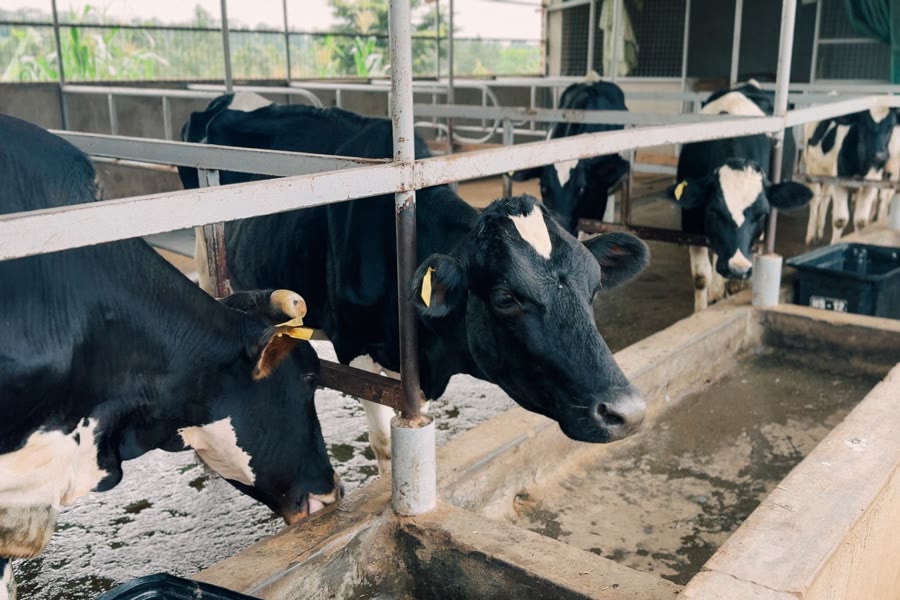
Grown dairy cows at the trough
02

Poultry and the hatchery

170 hens for eggs, 160 cockerels for meat, and a hatchery that runs at least once a week.

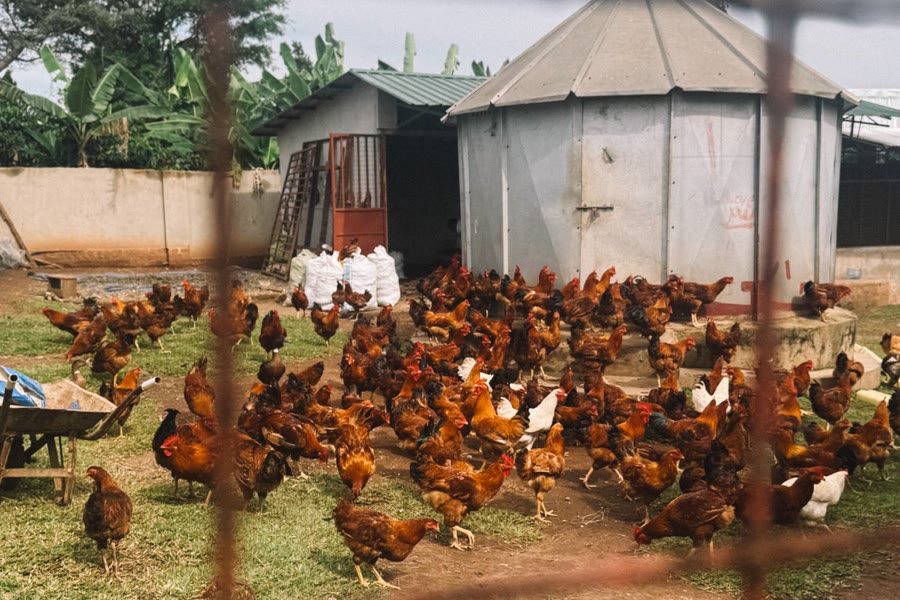
Three trays of eggs come off the farm every day. Some go to market and some go into the hatchery, so the flock replaces itself. Poultry is where most trainees start, because a few birds and a small run can become a household business.

Hens and cockerels foraging outside the poultry houses, seen through the farm fence
03

Goats

Eight goats and four kids, raised for meat.

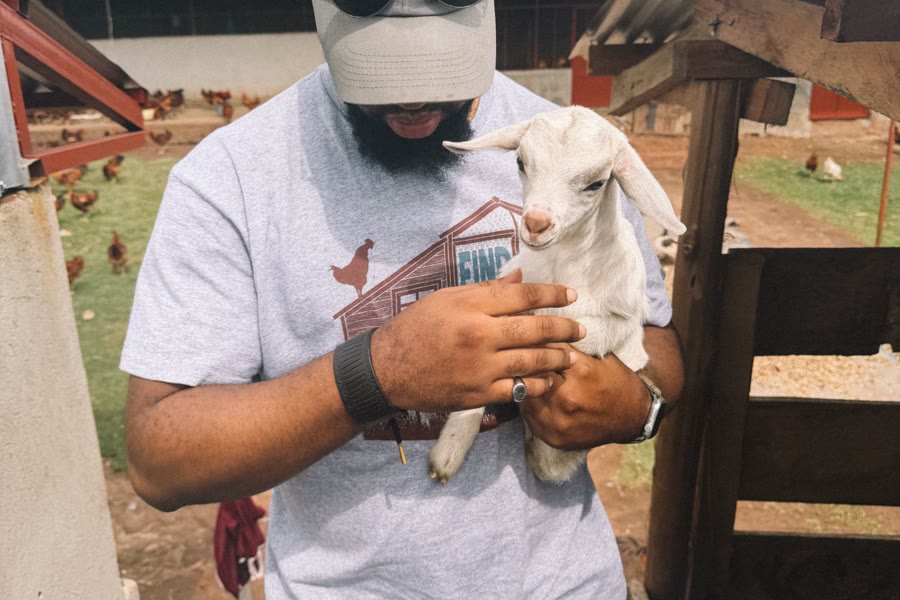
Goats need little land and little money to start. They are the closest thing on the farm to what a trainee could keep behind a rented house in Kampala. Next we want to milk them, and turn the milk into goat cheese and goat milk tablets.

A newborn kid held at the goat pens
04

Rabbits

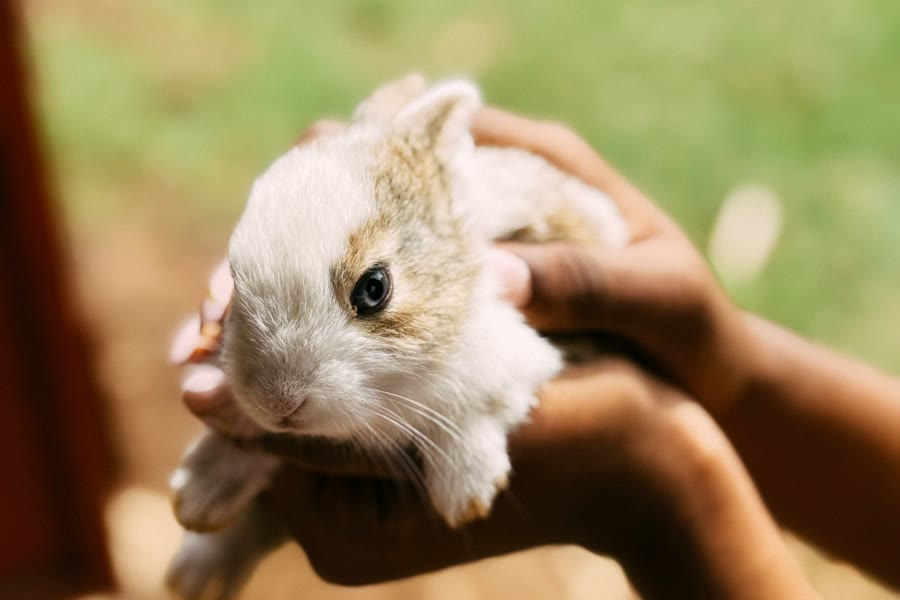
Three breeding rabbits and ten young, kept for their meat and their urine.

Rabbit urine is rich in nitrogen. Diluted with water, it feeds crops as a natural liquid fertiliser, and the farm already puts it on its fields. Farmers also spray it to keep pests away, so we want to develop it as a natural pesticide too, testing both uses on demonstration plots before we sell anything or make any claim.

A young rabbit held in two hands
05

Fish

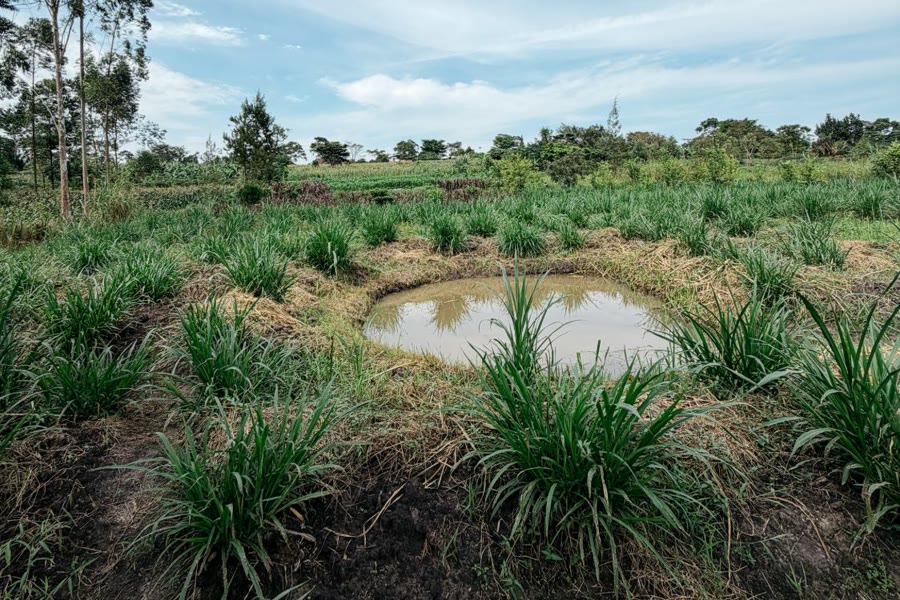
Two fish ponds, both still being built.

When they are stocked, trainees will learn pond care and feeding from the first harvest onwards.

A small pond among young grass on the farm
06

Feed from the farm's own fields

A large maize crop grown for the animals, turned into silage with the farm's own cutter.

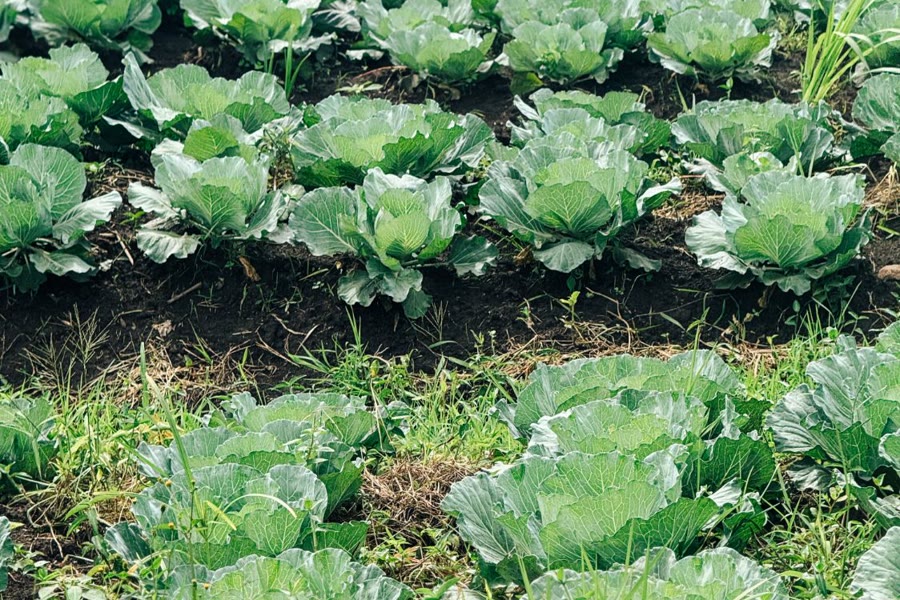
The cows and goats eat what the farm grows. Trainees see the whole loop, from planting the maize to cutting it, storing it as silage and feeding it through the dry months. Rows of cabbages grow alongside the maize.

Rows of cabbages on the farm

Next: Tshani Agriculture

Rabbit urine, made into fertiliser.

In 2027 Tshani Agriculture, a new business line of Nicole Tshani's company, plans to build a 150-hole rabbitry on the farm. Trays under the hutches catch the urine, which is fermented, filtered, tested and sold as a liquid organic fertiliser. The droppings become compost.

The unit will employ seven women full time, four of them refugees, and pay 30 women to keep rabbits at home and sell their urine. Both products will be registered with the Ministry of Agriculture before any is sold.


What the farm needs

Power, water and a fence.

The farm works. It could train more people and lose less if a few things were fixed. These are the priorities, in order.

If your organisation funds farm infrastructure, talk to us.

  • Solar power. The hatchery uses more electricity than anything else on the farm, so hatching is sometimes sent out. A three-phase solar system would run the hatchery and the farm's machines together and light the whole site.
  • Fencing. The front of the farm is fenced. The sides and the back are open, which leaves animals and crops exposed.
  • Water storage. The farm has its own borehole and one large tank. More storage would carry the animals and the ponds through dry spells.

What comes next

Grow what already works.

We plan to expand the units that already pay their way. A piggery is on the list too, run by someone who knows pigs, who becomes one more teacher for our trainees.

Further out, we want to look at animal and plant products from the farm for pharmaceutical use, working with partners who can test them properly.

Connect With Us

Find us online, write to info@tshanifoundation.org, or call +256 785 029 232 (Nicole Tshani, Kampala), +256 787 391 380 (Uganda) or +353 85 762 4323 (Ireland).

© 2026 Tshani Foundation Limited  ·  Registered in Uganda